
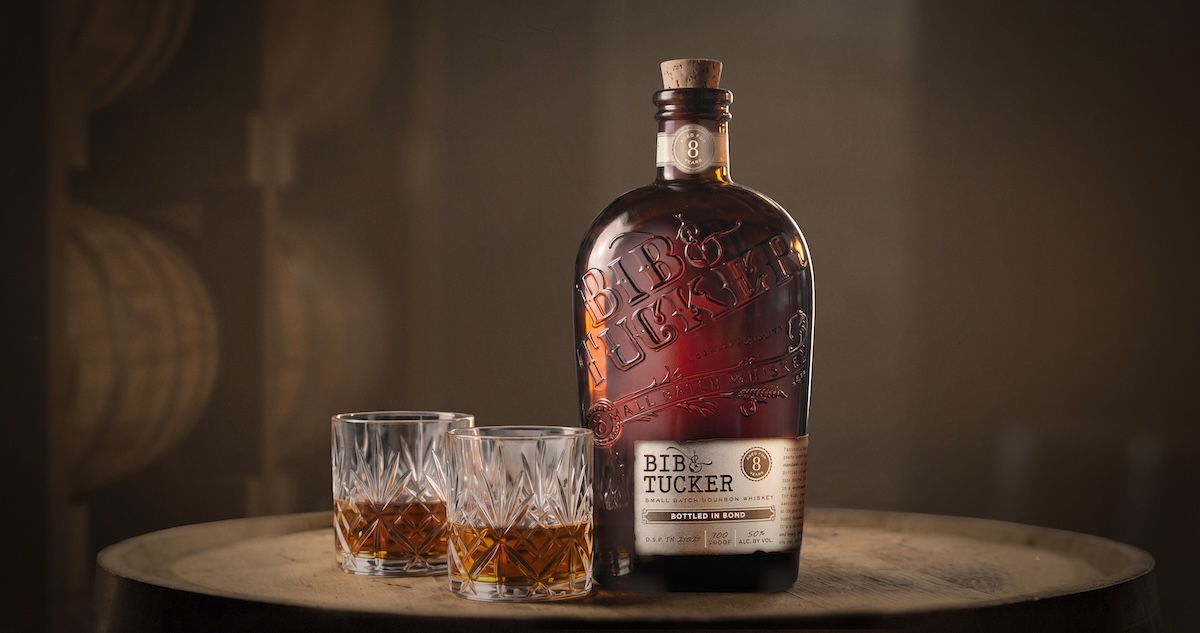
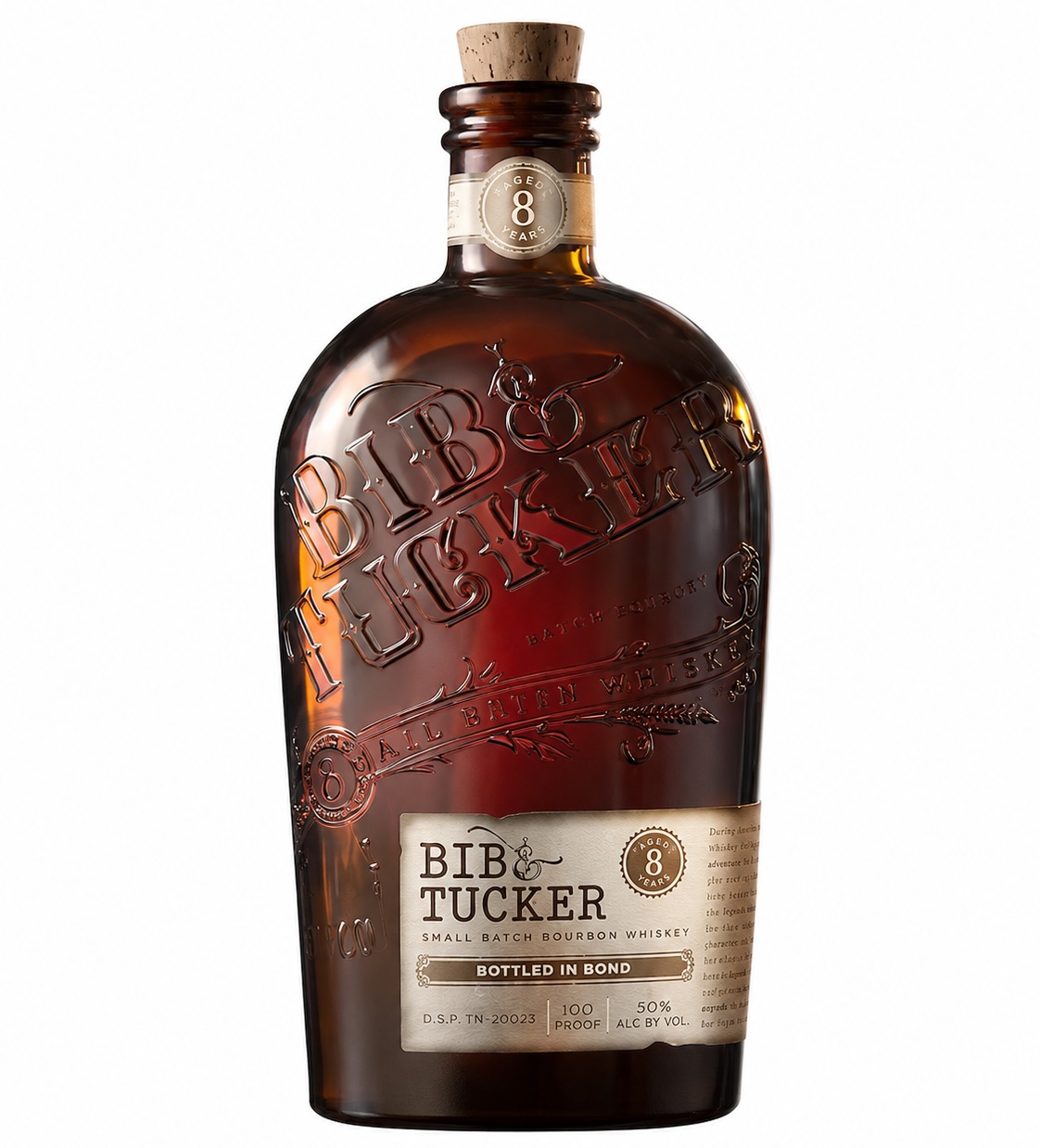
Bib & Tucker Small Batch Bourbon tells BourbonBlog.com it is entering the bottled-in-bond category for the first time with Bib & Tucker 8-Year-Old Bottled-in-Bond Bourbon, a 100-proof Tennessee high-rye bourbon.
The new expression carries an eight-year age statement—twice the four-year minimum required for bottled-in-bond whiskey—and is bottled at the category’s mandated 100 proof, or 50% alcohol by volume.
Bib & Tucker plans to launch the bourbon nationwide in September 2026 during National Bourbon Heritage Month. Rather than being offered as a limited edition, it will join the brand’s portfolio as a permanent, year-round expression.
The suggested retail price is $64.99 for a 750 mL bottle, with availability planned through retailers nationwide and online through ReserveBar where permitted.
What do you think?
What matters most to you in a bottled-in-bond bourbon: the age statement, the 100 proof, or the $64.99 price?
Bib & Tucker 8-Year-Old Bottled-in-Bond Bourbon: Quick Facts
| Brand | Bib & Tucker |
| Expression | 8-Year-Old Bottled-in-Bond Bourbon |
| Whiskey Type | Tennessee high-rye bourbon |
| Age Statement | 8 years |
| Proof | 100 proof |
| Alcohol by Volume | 50% ABV |
| Mash Bill | Tennessee high-rye bourbon mash bill; exact grain percentages were not disclosed |
| Mellowing Process | Lincoln County Process using sugar maple charcoal |
| Batching | Small batch |
| Whiskey Team | Apprentice Blender James Joseph under the mentorship of Master Blender Alan Kennedy |
| Release Date | September 2026 |
| Release Type | Permanent, year-round expression |
| Distribution | National |
| Bottle Size | 750 mL |
| Suggested Retail Price | $64.99 |
| Availability | Retail stores nationwide and online through ReserveBar where permitted |
Eight Years Under Bond
The federal bottled-in-bond designation is rooted in the Bottled-in-Bond Act of 1897, one of the earliest consumer protection laws governing American whiskey.
To qualify, the whiskey must be produced by one distiller at one distillery during a single distillation season. It must mature for at least four years in a federally bonded warehouse and be bottled at exactly 100 proof.
Bib & Tucker takes the age requirement further by allowing its first bonded bourbon to mature for eight years—twice the federally required minimum.
Bottled-in-Bond Requirements Compared
| Requirement | Federal Standard | Bib & Tucker |
|---|---|---|
| Minimum Aging | At least 4 years | 8 years |
| Bottling Strength | Exactly 100 proof | 100 proof |
| Distillation | One distiller at one distillery during one distillation season | Meets bottled-in-bond requirements |
| Maturation | Federally bonded warehouse | Federally bonded warehouse |
The key distinction: Bib & Tucker gives the bourbon four additional years in the barrel beyond the bottled-in-bond minimum while retaining the mandated 100-proof bottling strength.
A Tennessee High-Rye Bourbon
Bib & Tucker describes the release as a Tennessee high-rye bourbon, with the elevated rye content intended to provide additional spice, structure and complexity.
The company did not disclose the exact percentages of corn, rye and malted barley in the initial announcement.
The newly distilled whiskey is mellowed through sugar maple charcoal using the Lincoln County Process before entering the barrel. Bib & Tucker says the process contributes smoothness and depth while allowing the high-rye character to remain present in the finished bourbon.
A Debut Release From Apprentice Blender James Joseph
The eight-year-old bottled-in-bond bourbon also marks the debut release from Apprentice Blender James Joseph.
Joseph stewarded the small-batch release under the mentorship of Bib & Tucker Master Blender Alan Kennedy.
The brand is presenting the project as an example of whiskey-making knowledge being transferred from one generation of blenders to the next.
That element gives the release significance beyond its age statement and proof. It introduces a new member of the brand’s whiskey team while placing him in charge of Bib & Tucker’s first entry into one of American whiskey’s most historically important classifications.

 LATEST PODCAST
 Watch Our Bourbon Reviews on YouTube
lena
$65 and the 8 year old age statement make this attractive how is it?